Buy socialmediaguru.eu ?
We are moving the project
socialmediaguru.eu .
Are you interested in purchasing the domain
socialmediaguru.eu ?
domain@kv-gmbh.de · 0541-91531010
Buy socialmediaguru.eu ?
Which community existed in the Middle Ages?
During the Middle Ages, various communities existed, including feudal communities, religious communities such as monasteries and convents, and urban communities in growing towns and cities. Feudal communities were based on the relationships between lords, vassals, and peasants, while religious communities were centered around the practices and beliefs of specific religious orders. Urban communities were formed by merchants, craftsmen, and other residents living and working in towns and cities. Each of these communities had its own social structure, customs, and ways of life that shaped the medieval society. **
What are good strategy games to conquer Europe in the Middle Ages?
Some good strategy games to conquer Europe in the Middle Ages include "Crusader Kings II," "Europa Universalis IV," and "Medieval II: Total War." These games offer a mix of diplomacy, warfare, and resource management, allowing players to control various aspects of their empire's growth and expansion. Players can choose different strategies such as forming alliances, waging wars, or focusing on economic development to achieve dominance in Europe during this historical period. Each game offers a unique gameplay experience and challenges players to think strategically to succeed in their conquest of Europe. **
Similar search terms for Ages
Top-Angebote
Products related to Ages:
-
Chromino Small Box - Family Strategy Game, Ages 6+, by ZygomaticA colourful twist on classic dominoes, Chromino is a family strategy game that combines the familiar matching principle of dominoes with a bright, colourful challenge. Players take turns placing Chromino tiles so that adjoining colours match, building an expanding mosaic on the table. Each move calls for careful observation and forward planning. Look for spaces that fit your tile while considering the possibilities you leave for everyone else. The rules are straightforward to learn, making Chromino suitable for family game sessions and mixed-age groups. The compact small-box format makes it convenient to store and bring to family gatherings. Chromino also develops visual recognition, pattern awareness, and strategic thinking through play.13,09 £*Shipping: 1,99 £Secure redirect to the provider
-
Tricky Twist Card Game - Compact Strategy Game, Ages 8+, by TackTurnTricky Twist is a compact card game where losing tricks can be just as valuable as winning them. Players retrieve cards they have played, turning them face up as false tricks that can influence the final score. Success depends on balancing ordinary tricks with false tricks while planning how transformed cards can work together. Players may aim to create a sequence of matching values, increasing their victory points through careful timing and tactical choices. This game offers a deceptively simple premise and strategic decisions, making it an engaging tabletop experience for players who enjoy clever card play, calculated risks, and changing objectives.11,49 £*Shipping: 1,99 £Secure redirect to the provider
-
Hey! That’s My Fish! Family Strategy Game, Ages 6+, Next Move GamesGet ready to dive into the world of competitive penguin fishing with Hey! That’s My Fish! This family-friendly board game from Next Move Games is perfect for strategy enthusiasts of all ages. Players take turns moving their penguin pieces across a shifting ice floe, collecting fish-filled ice tiles and outmaneuvering their opponents. As the game progresses, the ice floe becomes increasingly fragmented, creating new challenges and opportunities for each player. The game ends when no more moves are possible, and the player with the most fish wins. With its accessible rules and engaging gameplay, Hey! That’s My Fish! is a great addition to any family game night.26,39 £*Shipping: 1,99 £Secure redirect to the provider
-
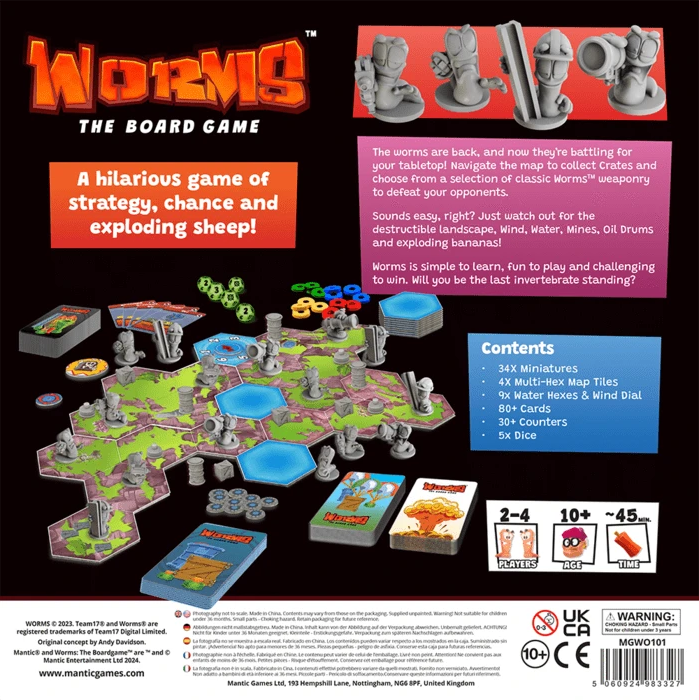
Worms: The Board Game - Competitive Strategy Game, Ages 8+, by Mantic GamesBring the chaotic tactics and humour of the Worms video game series to the tabletop with Worms: The Board Game. Players command teams of Worms across a hex-based battlefield, gathering crates, avoiding mines, and choosing the right weapons to outmanoeuvre their opponents. Plan your movements carefully, use the terrain to your advantage, and try to keep your team in action while reducing the opposing forces. The combination of tactical decisions, luck, and explosive surprises creates an entertaining experience for family game nights and groups of friends. This game is designed for competitive tabletop play and is a great addition to any collection of board games.40,79 £*Shipping: 1,99 £Secure redirect to the provider


-
What are some good strategy games to conquer Europe in the Middle Ages?
Some good strategy games to conquer Europe in the Middle Ages include "Crusader Kings II," where players can control a medieval dynasty and expand their territory through diplomacy, warfare, and intrigue. "Europa Universalis IV" is another popular choice, allowing players to lead a nation through centuries of history, including the Middle Ages, and engage in complex diplomatic and military strategies to dominate Europe. "Medieval II: Total War" is also a great option, offering a mix of turn-based strategy and real-time battles as players lead their armies to conquer territories and become the dominant power in Europe. **
-
Why is the Middle Ages actually called the Middle Ages?
The Middle Ages is called so because it is the period of time between the fall of the Roman Empire in the 5th century and the beginning of the Renaissance in the 14th century. It is considered the "middle" period between the classical antiquity of the Roman Empire and the modern era. This period is also known as the medieval period, and it is characterized by the development of feudalism, the rise of Christianity, and the dominance of monarchies in Europe. **
-
What did people in the Middle Ages call the Middle Ages?
During the Middle Ages, people did not refer to that time period as the "Middle Ages." Instead, they viewed themselves as living in the present time and did not have a specific term to describe their era. The concept of dividing history into distinct periods, such as the Middle Ages, Renaissance, and Modern era, was developed by later historians looking back on history. The term "Middle Ages" was first coined in the 15th century by Renaissance scholars who viewed the period between the fall of the Roman Empire and their own time as a "middle" or intermediate period. **
-
Why is whiskey and cola for ages 18 and wine for ages 16?
Whiskey and cola is typically considered a stronger alcoholic beverage, and the legal drinking age for stronger alcoholic drinks is generally higher than for milder ones. Wine is often considered a lighter alcoholic beverage, and therefore the legal drinking age for wine is lower. These age restrictions are based on the perceived maturity and ability to handle the effects of different types of alcohol. Additionally, cultural and historical factors also play a role in determining the legal drinking age for different types of alcohol in different countries. **

What characterizes the Dark Ages?
The Dark Ages, also known as the Early Middle Ages, were characterized by a decline in centralized authority, cultural stagnation, and economic instability following the fall of the Western Roman Empire. This period saw a lack of significant advancements in science, technology, and the arts, as well as a decrease in urbanization and trade. The Dark Ages were marked by frequent invasions, warfare, and the spread of disease, leading to a general sense of insecurity and a focus on survival rather than progress. **
What characterizes the Middle Ages?
The Middle Ages, also known as the medieval period, is characterized by a feudal social structure with kings, lords, and serfs. It was a time of great religious influence, with the Catholic Church playing a central role in people's lives. The period was marked by widespread illiteracy, limited scientific and technological advancements, and a focus on agriculture and rural life. The Middle Ages also saw the rise of chivalry and the code of honor among knights, as well as the construction of magnificent cathedrals and castles. **
Top-Angebote
Products related to Ages:
-
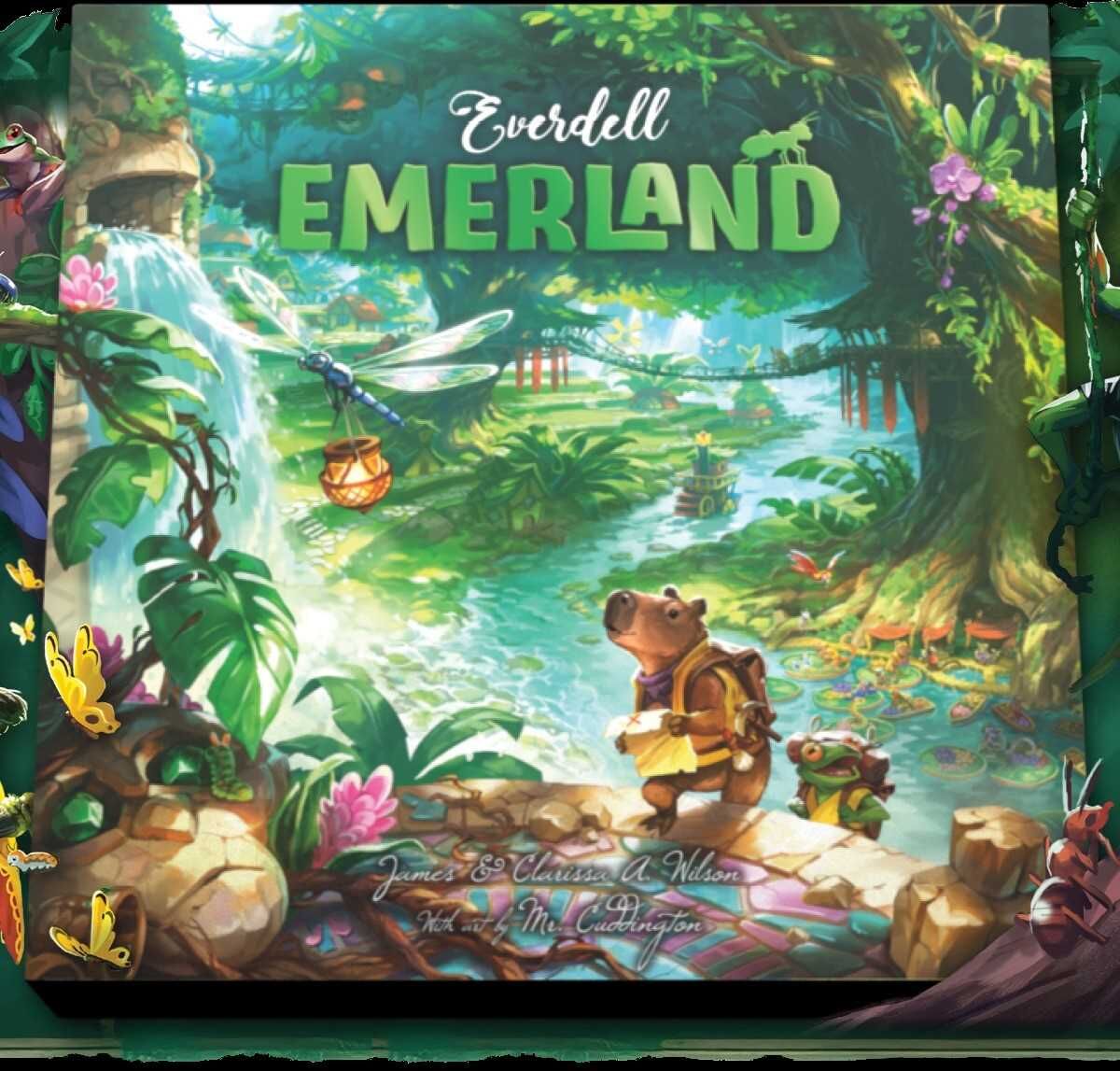
Everdell: Emerland - Strategy Board Game, Ages 8+, by Starling GamesExplore the jungles of Emerland, a vibrant jungle realm in the Everdell Valley, where artistic critters, valuable gems, and the lingering mysteries of a lost civilization await discovery. In this strategy board game, players send workers to gather resources and develop their own thriving jungle city. Use those resources to play cards, recruit helpful critters, and construct buildings that support your plans and earn points. Build your city and uncover the past, making meaningful choices each turn to place workers, play cards, use artisan cards, excavate with your archaeologist, or prepare for the changing season. With multiple actions to choose from and a richly themed setting, Everdell: Emerland offers engaging strategic play for fans of tableau-building and resource management.38,99 £*Shipping: 1,99 £Secure redirect to the provider
-
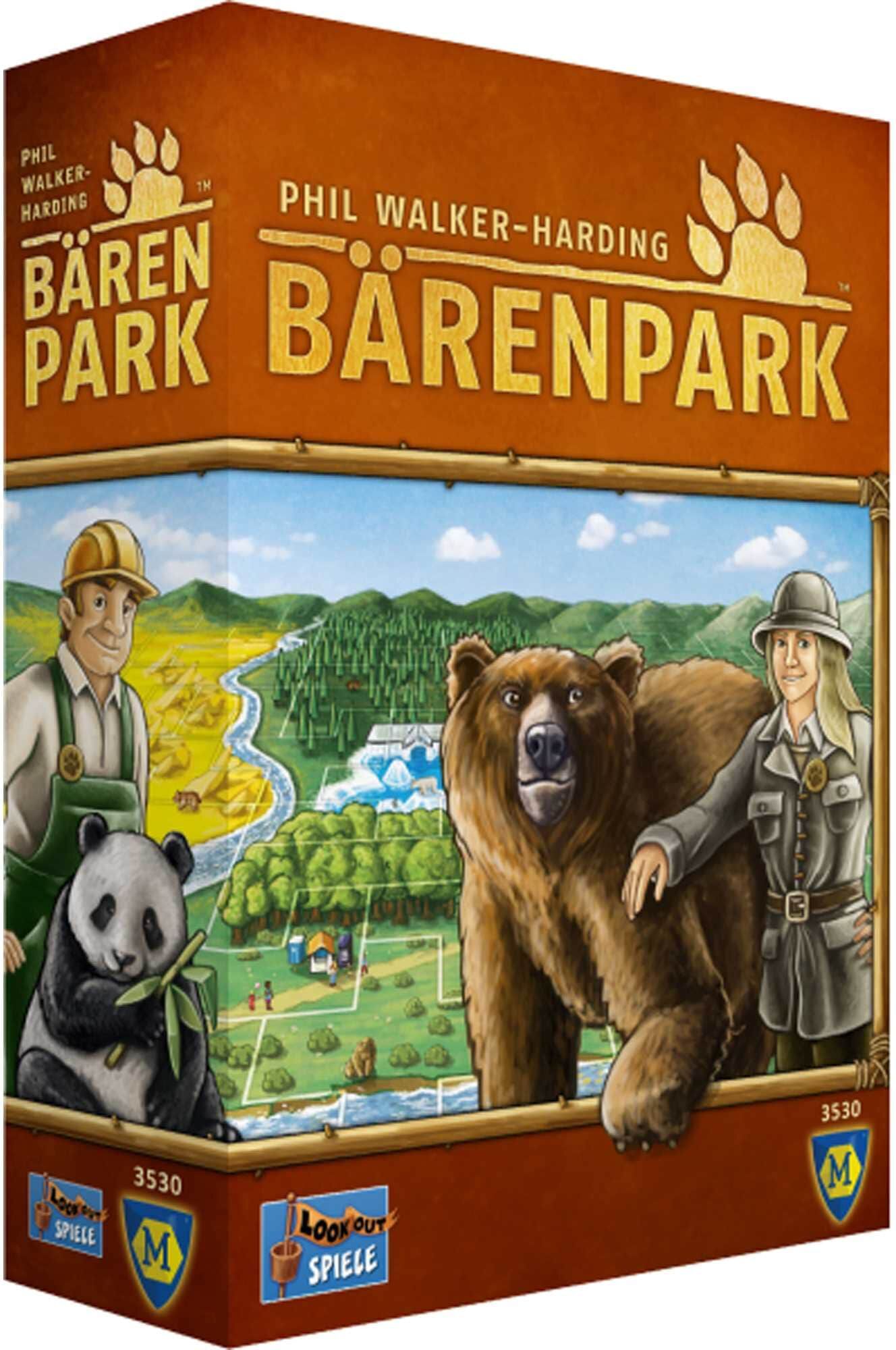
Bärenpark - Family Strategy Board Game, Ages 8+, by Lookout SpieleBuild an impressive bear park in Bärenpark. Players compete to create the most attractive and efficient bear park by carefully placing different tiles across a grid, balancing enclosures for bears with facilities and services for visitors. Each placement can help develop the park and unlock bonuses, making thoughtful tile selection and positioning important throughout the game. Build a varied collection of bear habitats, add useful amenities, and make the most of available space as the park grows. Bärenpark is a family-friendly strategy game that involves spatial planning and developing a personal game board over several rounds.29,29 £*Shipping: 1,99 £Secure redirect to the provider
-
Chromino Small Box - Family Strategy Game, Ages 6+, by ZygomaticA colourful twist on classic dominoes, Chromino is a family strategy game that combines the familiar matching principle of dominoes with a bright, colourful challenge. Players take turns placing Chromino tiles so that adjoining colours match, building an expanding mosaic on the table. Each move calls for careful observation and forward planning. Look for spaces that fit your tile while considering the possibilities you leave for everyone else. The rules are straightforward to learn, making Chromino suitable for family game sessions and mixed-age groups. The compact small-box format makes it convenient to store and bring to family gatherings. Chromino also develops visual recognition, pattern awareness, and strategic thinking through play.13,09 £*Shipping: 1,99 £Secure redirect to the provider
-
Tricky Twist Card Game - Compact Strategy Game, Ages 8+, by TackTurnTricky Twist is a compact card game where losing tricks can be just as valuable as winning them. Players retrieve cards they have played, turning them face up as false tricks that can influence the final score. Success depends on balancing ordinary tricks with false tricks while planning how transformed cards can work together. Players may aim to create a sequence of matching values, increasing their victory points through careful timing and tactical choices. This game offers a deceptively simple premise and strategic decisions, making it an engaging tabletop experience for players who enjoy clever card play, calculated risks, and changing objectives.11,49 £*Shipping: 1,99 £Secure redirect to the provider
-
Which community existed in the Middle Ages?
During the Middle Ages, various communities existed, including feudal communities, religious communities such as monasteries and convents, and urban communities in growing towns and cities. Feudal communities were based on the relationships between lords, vassals, and peasants, while religious communities were centered around the practices and beliefs of specific religious orders. Urban communities were formed by merchants, craftsmen, and other residents living and working in towns and cities. Each of these communities had its own social structure, customs, and ways of life that shaped the medieval society. **
-
What are good strategy games to conquer Europe in the Middle Ages?
Some good strategy games to conquer Europe in the Middle Ages include "Crusader Kings II," "Europa Universalis IV," and "Medieval II: Total War." These games offer a mix of diplomacy, warfare, and resource management, allowing players to control various aspects of their empire's growth and expansion. Players can choose different strategies such as forming alliances, waging wars, or focusing on economic development to achieve dominance in Europe during this historical period. Each game offers a unique gameplay experience and challenges players to think strategically to succeed in their conquest of Europe. **
-
What are some good strategy games to conquer Europe in the Middle Ages?
Some good strategy games to conquer Europe in the Middle Ages include "Crusader Kings II," where players can control a medieval dynasty and expand their territory through diplomacy, warfare, and intrigue. "Europa Universalis IV" is another popular choice, allowing players to lead a nation through centuries of history, including the Middle Ages, and engage in complex diplomatic and military strategies to dominate Europe. "Medieval II: Total War" is also a great option, offering a mix of turn-based strategy and real-time battles as players lead their armies to conquer territories and become the dominant power in Europe. **
-
Why is the Middle Ages actually called the Middle Ages?
The Middle Ages is called so because it is the period of time between the fall of the Roman Empire in the 5th century and the beginning of the Renaissance in the 14th century. It is considered the "middle" period between the classical antiquity of the Roman Empire and the modern era. This period is also known as the medieval period, and it is characterized by the development of feudalism, the rise of Christianity, and the dominance of monarchies in Europe. **
Similar search terms for Ages
-
Hey! That’s My Fish! Family Strategy Game, Ages 6+, Next Move GamesGet ready to dive into the world of competitive penguin fishing with Hey! That’s My Fish! This family-friendly board game from Next Move Games is perfect for strategy enthusiasts of all ages. Players take turns moving their penguin pieces across a shifting ice floe, collecting fish-filled ice tiles and outmaneuvering their opponents. As the game progresses, the ice floe becomes increasingly fragmented, creating new challenges and opportunities for each player. The game ends when no more moves are possible, and the player with the most fish wins. With its accessible rules and engaging gameplay, Hey! That’s My Fish! is a great addition to any family game night.26,39 £*Shipping: 1,99 £Secure redirect to the provider
-
Worms: The Board Game - Competitive Strategy Game, Ages 8+, by Mantic GamesBring the chaotic tactics and humour of the Worms video game series to the tabletop with Worms: The Board Game. Players command teams of Worms across a hex-based battlefield, gathering crates, avoiding mines, and choosing the right weapons to outmanoeuvre their opponents. Plan your movements carefully, use the terrain to your advantage, and try to keep your team in action while reducing the opposing forces. The combination of tactical decisions, luck, and explosive surprises creates an entertaining experience for family game nights and groups of friends. This game is designed for competitive tabletop play and is a great addition to any collection of board games.40,79 £*Shipping: 1,99 £Secure redirect to the provider
-
FanRoll: Connect 4 Rolls - Family Strategy Game, Ages 8+, by Metallic Dice GamesGive the classic four-in-a-row game a fresh tabletop twist with FanRoll: Connect 4 Rolls. Instead of dropping counters into a vertical grid, players roll four dice and choose one to place on the playing board. The aim is to build a line of four matching symbols horizontally before your opponent does. Special actions add extra decisions to every turn, allowing players to use effects such as swap and flip to change the board state and disrupt an emerging line. The result is a quick and accessible game that combines the familiar objective of Connect 4 with dice-based choices and changing tactics. To play, roll the four dice, choose one die, and place it on the board. Use available actions to alter the position or direction of play. Try to create a line of four matching results. With its compact format and easy-to-learn rules, FanRoll: Connect 4 Rolls is suitable for casual family game sessions and competitive head-to-head play.19,79 £*Shipping: 1,99 £Secure redirect to the provider
-
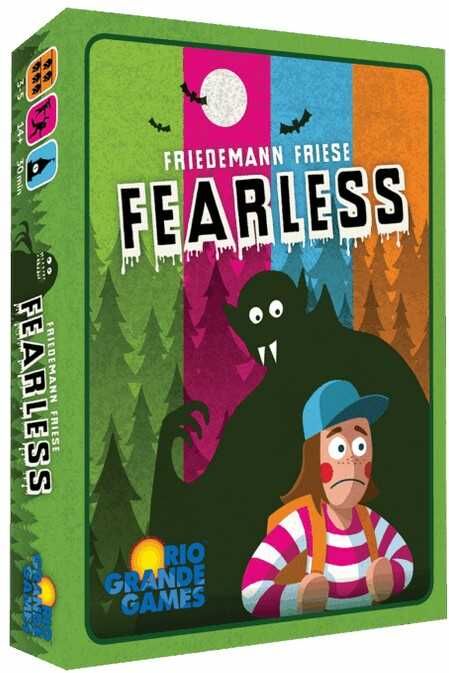
Fearless - Compact Strategy Game by Rio Grande Games, Ages 8+, 1-4 PlayersIn Fearless, players navigate a gloomy forest surrounding a frightening ruin. The goal is to stay as close as possible to the safe path while deciding when to move forward and when to turn back. Wandering too far from safety increases the fear you suffer, but staying still has its own cost: you may be left behind while others continue their journey. Each choice affects your position and your chances of becoming the most fearless player. This compact strategy game is about risk, positioning, and carefully timed decisions. Its small format makes it suitable for tabletop gaming sessions at home or while traveling. Fearless is a game where you'll need to manage your fear and make strategic decisions to score points over several rounds and compete to finish as the most fearless.15,69 £*Shipping: 1,99 £Secure redirect to the provider
-
What did people in the Middle Ages call the Middle Ages?
During the Middle Ages, people did not refer to that time period as the "Middle Ages." Instead, they viewed themselves as living in the present time and did not have a specific term to describe their era. The concept of dividing history into distinct periods, such as the Middle Ages, Renaissance, and Modern era, was developed by later historians looking back on history. The term "Middle Ages" was first coined in the 15th century by Renaissance scholars who viewed the period between the fall of the Roman Empire and their own time as a "middle" or intermediate period. **
-
Why is whiskey and cola for ages 18 and wine for ages 16?
Whiskey and cola is typically considered a stronger alcoholic beverage, and the legal drinking age for stronger alcoholic drinks is generally higher than for milder ones. Wine is often considered a lighter alcoholic beverage, and therefore the legal drinking age for wine is lower. These age restrictions are based on the perceived maturity and ability to handle the effects of different types of alcohol. Additionally, cultural and historical factors also play a role in determining the legal drinking age for different types of alcohol in different countries. **
-
What characterizes the Dark Ages?
The Dark Ages, also known as the Early Middle Ages, were characterized by a decline in centralized authority, cultural stagnation, and economic instability following the fall of the Western Roman Empire. This period saw a lack of significant advancements in science, technology, and the arts, as well as a decrease in urbanization and trade. The Dark Ages were marked by frequent invasions, warfare, and the spread of disease, leading to a general sense of insecurity and a focus on survival rather than progress. **
-
What characterizes the Middle Ages?
The Middle Ages, also known as the medieval period, is characterized by a feudal social structure with kings, lords, and serfs. It was a time of great religious influence, with the Catholic Church playing a central role in people's lives. The period was marked by widespread illiteracy, limited scientific and technological advancements, and a focus on agriculture and rural life. The Middle Ages also saw the rise of chivalry and the code of honor among knights, as well as the construction of magnificent cathedrals and castles. **
* All prices are inclusive of VAT and, if applicable, plus shipping costs. The offer information is based on the details provided by the respective shop and is updated through automated processes. Real-time updates do not occur, so deviations can occur in individual cases. ** Note: Parts of this content were created by AI.