Buy socialmediaguru.eu ?
We are moving the project
socialmediaguru.eu .
Are you interested in purchasing the domain
socialmediaguru.eu ?
domain@kv-gmbh.de · 0541-91531010
Buy socialmediaguru.eu ?
What is the difference between Viennese Classicism and Weimar Classicism?
Viennese Classicism refers to the musical and artistic movement that emerged in Vienna during the late 18th century, with composers like Mozart, Haydn, and Beethoven as its key figures. Weimar Classicism, on the other hand, refers to the literary and cultural movement that took place in Weimar, Germany, during the late 18th and early 19th centuries, with writers and thinkers like Goethe and Schiller at its center. While Viennese Classicism is primarily associated with music, Weimar Classicism is more focused on literature and philosophy. Both movements, however, share a commitment to balance, harmony, and a return to classical forms and ideals. **
Has Weimar Classicism failed?
Weimar Classicism, a cultural and literary movement in Germany during the late 18th and early 19th centuries, is considered by many to have been a successful period of artistic and intellectual achievement. However, some critics argue that it failed to bring about lasting social or political change. While Weimar Classicism did not lead to significant reforms or revolution, its impact on German literature, philosophy, and culture was profound and enduring. Ultimately, whether Weimar Classicism can be considered a failure depends on the criteria by which its success is judged. **

Similar search terms for Classicism
Top-Angebote
Products related to Classicism:
-
Uplifted Finds Predatory Engagement Wrestling Puppet Hub Predatory Engagement Wrestling Puppet HubTransform interactive play with the PredatoryEngagement Puppet, a professionalgrade interaction module engineered with manualsimulation logic. This highutility tool features a reinforced plush architecture and poseable limbs, specifically designed...85,97 $*Shipping: 0,00 $Secure redirect to the provider




-
Has the Weimar Classicism failed?
The Weimar Classicism, which was a cultural and literary movement in Germany during the late 18th and early 19th centuries, can be considered a success in many ways. It brought together some of the greatest minds of the time, including Johann Wolfgang von Goethe and Friedrich Schiller, and produced timeless works of literature and philosophy. However, it could be argued that the movement failed to have a lasting impact on German society and politics, as it was eventually overshadowed by the rise of Romanticism and the political turmoil of the 19th century. Ultimately, whether or not Weimar Classicism failed depends on the criteria used to measure its success. **
-
What are examples of Weimar Classicism?
Some examples of Weimar Classicism include the works of Johann Wolfgang von Goethe, such as his novel "Wilhelm Meister's Apprenticeship" and his play "Faust." Another example is Friedrich Schiller's play "William Tell," which reflects the ideals of the movement through its focus on heroism and freedom. Additionally, the architectural designs of Weimar, such as the Weimar Court Theater and the Weimar City Palace, also exemplify the principles of Weimar Classicism through their emphasis on balance, harmony, and classical forms. **
-
What are the traditions of Weimar Classicism?
Weimar Classicism was a cultural and literary movement that emerged in the late 18th century in Germany. Some of the key traditions of Weimar Classicism include a focus on reason, harmony, and balance in both art and society. This movement also emphasized the importance of education, humanism, and the pursuit of knowledge. Weimar Classicism sought to revive the ideals of ancient Greece and Rome, and its proponents believed in the power of art and literature to elevate and educate society. **
-
What are typical poems of Weimar Classicism?
Typical poems of Weimar Classicism often focus on themes of nature, beauty, and the human experience. They are characterized by their clarity, balance, and harmony, drawing inspiration from classical Greek and Roman literature. Poets of this movement, such as Johann Wolfgang von Goethe and Friedrich Schiller, sought to create works that were both intellectually stimulating and emotionally resonant, reflecting the ideals of the Enlightenment. These poems often explore the tension between reason and emotion, and the search for meaning and truth in the world. **


What is the literary era of Classicism?
The literary era of Classicism, also known as Neoclassicism, emerged in the 18th century as a reaction against the extravagance and emotionalism of the Baroque period. Classicism emphasized order, reason, and rationality, drawing inspiration from the art and literature of ancient Greece and Rome. Writers during this era sought to emulate the style and themes of classical antiquity, focusing on clarity, balance, and restraint in their works. Classicism also placed a strong emphasis on the use of formal structures and traditional poetic forms, such as the sonnet and the heroic couplet. **
What are the criticisms of Weimar Classicism?
Critics of Weimar Classicism argue that it was overly idealistic and focused on an unrealistic vision of a harmonious society, ignoring the social and political tensions of the time. They also claim that the movement was elitist, catering to the intellectual and aristocratic elite while neglecting the concerns of the working class. Additionally, some critics argue that Weimar Classicism's emphasis on rationality and order stifled creativity and individual expression, leading to a lack of innovation in the arts and literature. **
Top-Angebote
Products related to Classicism:
-
Halo: Campaign Evolved – Standard Edition - XBOX Series X Physical disc – Requires content downloadOverview Return to the ring where the legend began with Halo: Campaign Evolved – Standard Edition for Xbox Series X , a ground-up modern remake of the original Halo: Combat Evolved campaign from Halo Studios and Xbox Game Studios. The classic Master Chief adventure has been rebuilt with high-definition visuals, redesigned cinematics, refined gameplay, completely reworked audio and substantial new content while preserving the story that launched the Halo franchise. Step back into the armour of Master Chief John-117 alongside AI companion Cortana as humanity encounters the Covenant and uncovers the devastating secrets hidden within the mysterious Halo installation. Returning players can experience familiar missions reimagined for modern hardware, while newcomers get a contemporary entry point into one of gaming's most influential science-fiction shooters. Campaign Evolved goes considerably beyond a visual remake. Halo Studios has added nine additional iconic weapons from across the Halo series , expanded vehicle interactions, enemy-vehicle hijacking and — for the first time in Halo: CE — the ability to pilot a fully controllable Covenant Wraith tank . The package also introduces Operation: METEORITE , an entirely new three-mission combat operation starring Master Chief alongside Sergeant Avery Johnson , featuring fresh environments, enemies and gameplay encounters not present in the original campaign. Play alone, team up in 2-player local split-screen , or bring together as many as four players online . Cross-platform co-op and shared progression expand the experience across supported Xbox, PC and PlayStation platforms. Xbox Series X features include 4K Ultra HD, HDR10, Variable Refresh Rate, ray tracing, 60fps+ support, Dolby Atmos, DTS:X and Spatial Sound , giving Alpha Halo a significantly more modern presentation than its 2001 predecessor. The UK physical Standard Edition has EAN 0196388813353 and is supplied as an Xbox Series X game disc . Importantly, the retail packaging states “Requires Content Download” , so a broadband internet connection and sufficient console storage are required during installation. Key Features & Benefits Experience the Original Halo Campaign Rebuilt from the Ground Up – Halo Studios has recreated the Combat Evolved campaign with modern visuals, updated cinematics, refined level design and contemporary gameplay improvements while retaining the story and atmosphere that44,98 £*Shipping: 0,00 £Secure redirect to the provider
-
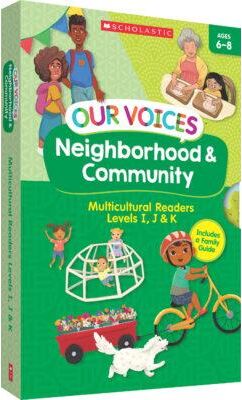
Our Voices: Neighborhood & Community Boxed SetFoster a feeling of belonging while building key reading skills with these colorful storybooks that spotlight a variety of neighborhoods and communities. The 10 charming stories feature characters from different cultural backgrounds who learn about...30,59 $*Shipping: 0,00 $Secure redirect to the provider
-
Uplifted Finds Predatory Engagement Wrestling Puppet Hub Predatory Engagement Wrestling Puppet HubTransform interactive play with the PredatoryEngagement Puppet, a professionalgrade interaction module engineered with manualsimulation logic. This highutility tool features a reinforced plush architecture and poseable limbs, specifically designed...85,97 $*Shipping: 0,00 $Secure redirect to the provider
-
What is the difference between Viennese Classicism and Weimar Classicism?
Viennese Classicism refers to the musical and artistic movement that emerged in Vienna during the late 18th century, with composers like Mozart, Haydn, and Beethoven as its key figures. Weimar Classicism, on the other hand, refers to the literary and cultural movement that took place in Weimar, Germany, during the late 18th and early 19th centuries, with writers and thinkers like Goethe and Schiller at its center. While Viennese Classicism is primarily associated with music, Weimar Classicism is more focused on literature and philosophy. Both movements, however, share a commitment to balance, harmony, and a return to classical forms and ideals. **
-
Has Weimar Classicism failed?
Weimar Classicism, a cultural and literary movement in Germany during the late 18th and early 19th centuries, is considered by many to have been a successful period of artistic and intellectual achievement. However, some critics argue that it failed to bring about lasting social or political change. While Weimar Classicism did not lead to significant reforms or revolution, its impact on German literature, philosophy, and culture was profound and enduring. Ultimately, whether Weimar Classicism can be considered a failure depends on the criteria by which its success is judged. **
-
Has the Weimar Classicism failed?
The Weimar Classicism, which was a cultural and literary movement in Germany during the late 18th and early 19th centuries, can be considered a success in many ways. It brought together some of the greatest minds of the time, including Johann Wolfgang von Goethe and Friedrich Schiller, and produced timeless works of literature and philosophy. However, it could be argued that the movement failed to have a lasting impact on German society and politics, as it was eventually overshadowed by the rise of Romanticism and the political turmoil of the 19th century. Ultimately, whether or not Weimar Classicism failed depends on the criteria used to measure its success. **
-
What are examples of Weimar Classicism?
Some examples of Weimar Classicism include the works of Johann Wolfgang von Goethe, such as his novel "Wilhelm Meister's Apprenticeship" and his play "Faust." Another example is Friedrich Schiller's play "William Tell," which reflects the ideals of the movement through its focus on heroism and freedom. Additionally, the architectural designs of Weimar, such as the Weimar Court Theater and the Weimar City Palace, also exemplify the principles of Weimar Classicism through their emphasis on balance, harmony, and classical forms. **
Similar search terms for Classicism
-
GlowBake Advanced Skin Tester, Face Skin Moisture & Oil Content Analyzer Advanced Skin Tester, Face Skin Moisture & Oil Content AnalyzerDiscover your skins true condition with our advanced Skin Tester a compact yet powerful face skin analyzer designed to measure moisture, oil content, skin water, cheek elastic quality, and even estimate skin age in seconds. Ideal for home use or pro...27,97 $*Shipping: 0,00 $Secure redirect to the provider
-
What are the traditions of Weimar Classicism?
Weimar Classicism was a cultural and literary movement that emerged in the late 18th century in Germany. Some of the key traditions of Weimar Classicism include a focus on reason, harmony, and balance in both art and society. This movement also emphasized the importance of education, humanism, and the pursuit of knowledge. Weimar Classicism sought to revive the ideals of ancient Greece and Rome, and its proponents believed in the power of art and literature to elevate and educate society. **
-
What are typical poems of Weimar Classicism?
Typical poems of Weimar Classicism often focus on themes of nature, beauty, and the human experience. They are characterized by their clarity, balance, and harmony, drawing inspiration from classical Greek and Roman literature. Poets of this movement, such as Johann Wolfgang von Goethe and Friedrich Schiller, sought to create works that were both intellectually stimulating and emotionally resonant, reflecting the ideals of the Enlightenment. These poems often explore the tension between reason and emotion, and the search for meaning and truth in the world. **
-
What is the literary era of Classicism?
The literary era of Classicism, also known as Neoclassicism, emerged in the 18th century as a reaction against the extravagance and emotionalism of the Baroque period. Classicism emphasized order, reason, and rationality, drawing inspiration from the art and literature of ancient Greece and Rome. Writers during this era sought to emulate the style and themes of classical antiquity, focusing on clarity, balance, and restraint in their works. Classicism also placed a strong emphasis on the use of formal structures and traditional poetic forms, such as the sonnet and the heroic couplet. **
-
What are the criticisms of Weimar Classicism?
Critics of Weimar Classicism argue that it was overly idealistic and focused on an unrealistic vision of a harmonious society, ignoring the social and political tensions of the time. They also claim that the movement was elitist, catering to the intellectual and aristocratic elite while neglecting the concerns of the working class. Additionally, some critics argue that Weimar Classicism's emphasis on rationality and order stifled creativity and individual expression, leading to a lack of innovation in the arts and literature. **
* All prices are inclusive of VAT and, if applicable, plus shipping costs. The offer information is based on the details provided by the respective shop and is updated through automated processes. Real-time updates do not occur, so deviations can occur in individual cases. ** Note: Parts of this content were created by AI.