Buy socialmediaguru.eu ?
We are moving the project
socialmediaguru.eu .
Are you interested in purchasing the domain
socialmediaguru.eu ?
domain@kv-gmbh.de · 0541-91531010
Buy socialmediaguru.eu ?
What does the archaeologist ask?
The archaeologist asks questions related to the past, such as how people lived, what they ate, what tools they used, and how they interacted with their environment. They also inquire about the significance of artifacts, structures, and other remains found at a site, seeking to understand the cultural, social, and economic aspects of ancient societies. Additionally, archaeologists may ask questions about the chronology of a site, trying to determine when specific events occurred and how they relate to broader historical contexts. **
Can one advance as an archaeologist?
Yes, one can advance as an archaeologist by gaining experience through fieldwork, research, and publications. Advancement opportunities can also come through pursuing higher education such as a master's or doctoral degree in archaeology or a related field. Building a strong network within the archaeological community, attending conferences, and collaborating with other professionals can also help in advancing one's career in archaeology. Additionally, seeking out leadership roles in archaeological projects or organizations can further contribute to career advancement in this field. **

Similar search terms for Archaeologist
Top-Angebote
Products related to Archaeologist:
-
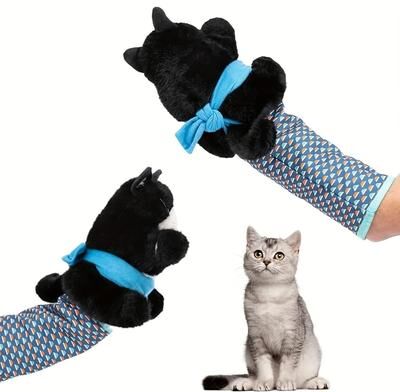
Uplifted Finds Predatory Engagement Wrestling Puppet Hub Predatory Engagement Wrestling Puppet HubTransform interactive play with the PredatoryEngagement Puppet, a professionalgrade interaction module engineered with manualsimulation logic. This highutility tool features a reinforced plush architecture and poseable limbs, specifically designed...85,97 $*Shipping: 0,00 $Secure redirect to the provider



-
Can you advance as an archaeologist?
Yes, you can advance as an archaeologist by gaining more experience, pursuing higher education such as a master's or doctoral degree in archaeology or a related field, specializing in a specific area of archaeology, and conducting research and publishing your findings. Advancement opportunities may also include taking on leadership roles in archaeological projects, working for prestigious institutions, and collaborating with other experts in the field. Continuous learning, networking, and staying updated on the latest developments in archaeology are key to advancing in this career. **
-
How does one become an archaeologist?
To become an archaeologist, one typically needs to earn a bachelor's degree in archaeology, anthropology, or a related field. Some positions may require a master's or doctoral degree, especially for research or academic roles. It is also important to gain field experience through internships, volunteer work, or field schools. Developing strong research, analytical, and communication skills is essential for success in this field. Additionally, networking with professionals in the field and staying updated on current archaeological methods and technologies can help advance a career in archaeology. **
-
How do I become an archaeologist?
To become an archaeologist, you typically need a bachelor's degree in archaeology or a related field such as anthropology, history, or classics. It is also beneficial to gain fieldwork experience through internships or volunteer opportunities. Some archaeologists pursue advanced degrees, such as a master's or Ph.D., to specialize in a particular area of archaeology. Networking with professionals in the field and staying current with developments in archaeology are also important steps in becoming a successful archaeologist. **
-
What skills does an archaeologist need?
Archaeologists need a combination of technical skills, such as excavation techniques, artifact analysis, and mapping, as well as critical thinking and problem-solving skills to interpret findings. They also need strong research skills to analyze historical documents and data. Effective communication skills are essential for presenting findings to both academic audiences and the general public. Additionally, archaeologists need to be detail-oriented, patient, and have a passion for history and culture. **


Is there a similar profession to archaeologist?
Yes, a similar profession to archaeologist is anthropologist. Both archaeologists and anthropologists study human societies and cultures, but archaeologists focus on studying past human societies through the analysis of material remains such as artifacts, structures, and environmental data, while anthropologists study human societies and cultures in a broader sense, including their social, cultural, biological, and linguistic aspects. Both professions require a strong understanding of human history and culture, as well as the ability to conduct research and analyze data. **
Can one be a historian and archaeologist?
Yes, one can be a historian and an archaeologist. Historians study and interpret written records and documents to understand and analyze past events, while archaeologists study material remains such as artifacts, structures, and landscapes to reconstruct and understand past human cultures and societies. Both disciplines are complementary and often overlap in their research methods and goals, making it possible for individuals to be trained and work in both fields. This interdisciplinary approach can provide a more comprehensive understanding of the past. **
Top-Angebote
Products related to Archaeologist:
-
Halo: Campaign Evolved – Standard Edition - XBOX Series X Physical disc – Requires content downloadOverview Return to the ring where the legend began with Halo: Campaign Evolved – Standard Edition for Xbox Series X , a ground-up modern remake of the original Halo: Combat Evolved campaign from Halo Studios and Xbox Game Studios. The classic Master Chief adventure has been rebuilt with high-definition visuals, redesigned cinematics, refined gameplay, completely reworked audio and substantial new content while preserving the story that launched the Halo franchise. Step back into the armour of Master Chief John-117 alongside AI companion Cortana as humanity encounters the Covenant and uncovers the devastating secrets hidden within the mysterious Halo installation. Returning players can experience familiar missions reimagined for modern hardware, while newcomers get a contemporary entry point into one of gaming's most influential science-fiction shooters. Campaign Evolved goes considerably beyond a visual remake. Halo Studios has added nine additional iconic weapons from across the Halo series , expanded vehicle interactions, enemy-vehicle hijacking and — for the first time in Halo: CE — the ability to pilot a fully controllable Covenant Wraith tank . The package also introduces Operation: METEORITE , an entirely new three-mission combat operation starring Master Chief alongside Sergeant Avery Johnson , featuring fresh environments, enemies and gameplay encounters not present in the original campaign. Play alone, team up in 2-player local split-screen , or bring together as many as four players online . Cross-platform co-op and shared progression expand the experience across supported Xbox, PC and PlayStation platforms. Xbox Series X features include 4K Ultra HD, HDR10, Variable Refresh Rate, ray tracing, 60fps+ support, Dolby Atmos, DTS:X and Spatial Sound , giving Alpha Halo a significantly more modern presentation than its 2001 predecessor. The UK physical Standard Edition has EAN 0196388813353 and is supplied as an Xbox Series X game disc . Importantly, the retail packaging states “Requires Content Download” , so a broadband internet connection and sufficient console storage are required during installation. Key Features & Benefits Experience the Original Halo Campaign Rebuilt from the Ground Up – Halo Studios has recreated the Combat Evolved campaign with modern visuals, updated cinematics, refined level design and contemporary gameplay improvements while retaining the story and atmosphere that44,98 £*Shipping: 0,00 £Secure redirect to the provider
-
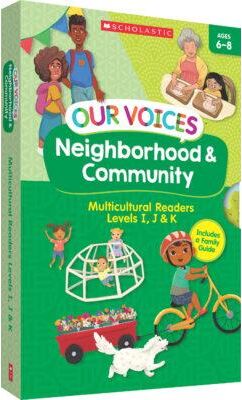
Our Voices: Neighborhood & Community Boxed SetFoster a feeling of belonging while building key reading skills with these colorful storybooks that spotlight a variety of neighborhoods and communities. The 10 charming stories feature characters from different cultural backgrounds who learn about...30,59 $*Shipping: 0,00 $Secure redirect to the provider
-
Uplifted Finds Predatory Engagement Wrestling Puppet Hub Predatory Engagement Wrestling Puppet HubTransform interactive play with the PredatoryEngagement Puppet, a professionalgrade interaction module engineered with manualsimulation logic. This highutility tool features a reinforced plush architecture and poseable limbs, specifically designed...85,97 $*Shipping: 0,00 $Secure redirect to the provider
-
What does the archaeologist ask?
The archaeologist asks questions related to the past, such as how people lived, what they ate, what tools they used, and how they interacted with their environment. They also inquire about the significance of artifacts, structures, and other remains found at a site, seeking to understand the cultural, social, and economic aspects of ancient societies. Additionally, archaeologists may ask questions about the chronology of a site, trying to determine when specific events occurred and how they relate to broader historical contexts. **
-
Can one advance as an archaeologist?
Yes, one can advance as an archaeologist by gaining experience through fieldwork, research, and publications. Advancement opportunities can also come through pursuing higher education such as a master's or doctoral degree in archaeology or a related field. Building a strong network within the archaeological community, attending conferences, and collaborating with other professionals can also help in advancing one's career in archaeology. Additionally, seeking out leadership roles in archaeological projects or organizations can further contribute to career advancement in this field. **
-
Can you advance as an archaeologist?
Yes, you can advance as an archaeologist by gaining more experience, pursuing higher education such as a master's or doctoral degree in archaeology or a related field, specializing in a specific area of archaeology, and conducting research and publishing your findings. Advancement opportunities may also include taking on leadership roles in archaeological projects, working for prestigious institutions, and collaborating with other experts in the field. Continuous learning, networking, and staying updated on the latest developments in archaeology are key to advancing in this career. **
-
How does one become an archaeologist?
To become an archaeologist, one typically needs to earn a bachelor's degree in archaeology, anthropology, or a related field. Some positions may require a master's or doctoral degree, especially for research or academic roles. It is also important to gain field experience through internships, volunteer work, or field schools. Developing strong research, analytical, and communication skills is essential for success in this field. Additionally, networking with professionals in the field and staying updated on current archaeological methods and technologies can help advance a career in archaeology. **
Similar search terms for Archaeologist
-
GlowBake Advanced Skin Tester, Face Skin Moisture & Oil Content Analyzer Advanced Skin Tester, Face Skin Moisture & Oil Content AnalyzerDiscover your skins true condition with our advanced Skin Tester a compact yet powerful face skin analyzer designed to measure moisture, oil content, skin water, cheek elastic quality, and even estimate skin age in seconds. Ideal for home use or pro...27,97 $*Shipping: 0,00 $Secure redirect to the provider
-
How do I become an archaeologist?
To become an archaeologist, you typically need a bachelor's degree in archaeology or a related field such as anthropology, history, or classics. It is also beneficial to gain fieldwork experience through internships or volunteer opportunities. Some archaeologists pursue advanced degrees, such as a master's or Ph.D., to specialize in a particular area of archaeology. Networking with professionals in the field and staying current with developments in archaeology are also important steps in becoming a successful archaeologist. **
-
What skills does an archaeologist need?
Archaeologists need a combination of technical skills, such as excavation techniques, artifact analysis, and mapping, as well as critical thinking and problem-solving skills to interpret findings. They also need strong research skills to analyze historical documents and data. Effective communication skills are essential for presenting findings to both academic audiences and the general public. Additionally, archaeologists need to be detail-oriented, patient, and have a passion for history and culture. **
-
Is there a similar profession to archaeologist?
Yes, a similar profession to archaeologist is anthropologist. Both archaeologists and anthropologists study human societies and cultures, but archaeologists focus on studying past human societies through the analysis of material remains such as artifacts, structures, and environmental data, while anthropologists study human societies and cultures in a broader sense, including their social, cultural, biological, and linguistic aspects. Both professions require a strong understanding of human history and culture, as well as the ability to conduct research and analyze data. **
-
Can one be a historian and archaeologist?
Yes, one can be a historian and an archaeologist. Historians study and interpret written records and documents to understand and analyze past events, while archaeologists study material remains such as artifacts, structures, and landscapes to reconstruct and understand past human cultures and societies. Both disciplines are complementary and often overlap in their research methods and goals, making it possible for individuals to be trained and work in both fields. This interdisciplinary approach can provide a more comprehensive understanding of the past. **
* All prices are inclusive of VAT and, if applicable, plus shipping costs. The offer information is based on the details provided by the respective shop and is updated through automated processes. Real-time updates do not occur, so deviations can occur in individual cases. ** Note: Parts of this content were created by AI.