Buy socialmediaguru.eu ?
We are moving the project
socialmediaguru.eu .
Are you interested in purchasing the domain
socialmediaguru.eu ?
domain@kv-gmbh.de · 0541-91531010
Buy socialmediaguru.eu ?
What is meant by deontological and teleological?
Deontological ethics is an ethical theory that focuses on the inherent rightness or wrongness of actions themselves, rather than the consequences of those actions. It emphasizes the importance of following moral rules and duties, regardless of the outcomes. On the other hand, teleological ethics, also known as consequentialism, is an ethical theory that evaluates the morality of actions based on their outcomes or consequences. It emphasizes the idea that the rightness or wrongness of an action is determined by the overall good or bad results it produces. In summary, deontological ethics focuses on the inherent nature of actions, while teleological ethics focuses on the outcomes of actions. **
Is teleological ethics the same as teleology?
Teleological ethics and teleology are related concepts, but they are not the same. Teleological ethics is a moral theory that emphasizes the consequences or outcomes of actions as the basis for determining their ethical value. Teleology, on the other hand, is a broader philosophical concept that refers to the study of purpose or goals in nature and human existence. While teleological ethics is a specific application of teleology to moral decision-making, teleology encompasses a wider range of philosophical inquiries into purpose and design in the natural world. **

Similar search terms for Teleological
Top-Angebote
Products related to Teleological:
-
Uplifted Finds Predatory Engagement Wrestling Puppet Hub Predatory Engagement Wrestling Puppet HubTransform interactive play with the PredatoryEngagement Puppet, a professionalgrade interaction module engineered with manualsimulation logic. This highutility tool features a reinforced plush architecture and poseable limbs, specifically designed...85,97 $*Shipping: 0,00 $Secure redirect to the provider




-
Does discourse ethics have a teleological or deontological approach?
Discourse ethics is primarily associated with a deontological approach. It focuses on the principles of communication and interaction between individuals, emphasizing the importance of ethical norms and rules in guiding discourse. The goal is to ensure that communication is based on mutual respect, equality, and rationality, rather than aiming towards a specific outcome or goal. By prioritizing the ethical principles of communication, discourse ethics aims to create a fair and just dialogue among participants. **
-
What is the teleological argument for the existence of God?
The teleological argument, also known as the argument from design, posits that the complexity and order in the universe suggest the existence of a designer, which is often equated with God. This argument points to the intricate design and purposeful arrangement of elements in the natural world, such as the human eye or the fine-tuning of physical constants, as evidence of an intelligent creator. Proponents of the teleological argument argue that the presence of design implies a designer, leading to the conclusion that God must exist as the ultimate designer of the universe. **
-
Can someone explain Aristotle's teleological view of the world to me?
Aristotle's teleological view of the world is based on the idea that everything in the natural world has a purpose or goal. According to Aristotle, all things in nature strive towards their own perfection or fulfillment. This means that each object or organism has a specific function or purpose that it is naturally inclined to fulfill. For example, the purpose of an acorn is to grow into an oak tree. This teleological perspective suggests that there is an inherent order and purpose in the natural world, and that everything has a specific role to play in the overall functioning of the universe. **
-
Does the teleological cosmic Kalam argument rely on a fatal fallacy?
The teleological cosmic Kalam argument does not rely on a fatal fallacy. The argument, which posits that the universe has a cause and that cause must be God, is based on the idea that the universe had a beginning and therefore requires a cause. While there may be objections and counterarguments to the Kalam argument, it does not contain a fatal fallacy. It is a philosophical and theological argument that has been debated and discussed for centuries, and while it may not be universally accepted, it is a valid and coherent argument within the realm of philosophical and theological discourse. **


What are the arguments against the teleological argument for the existence of God?
The teleological argument, also known as the argument from design, posits that the complexity and order in the universe point to the existence of an intelligent designer, namely God. However, there are several counterarguments to this claim. One argument is that the apparent design in the universe can be explained by natural processes such as evolution, without the need for a supernatural designer. Additionally, the presence of imperfections and instances of apparent "bad design" in the natural world, such as the existence of diseases and natural disasters, is seen as evidence against the idea of a perfect and benevolent designer. Furthermore, the teleological argument is criticized for relying on analogical reasoning, which may not be a sound basis for establishing the existence of a divine creator. **
Can someone explain to me how John Hospers criticizes the teleological argument for the existence of God?
John Hospers criticizes the teleological argument by pointing out that it relies on the assumption that the complexity and order in the universe must have been designed by a higher intelligence, which he argues is a flawed premise. He suggests that just because something appears to be designed, it does not necessarily mean that it was created by a conscious being. Hospers also questions the logic of inferring the existence of a single, all-powerful God from the apparent design in the universe, as there could be multiple creators or other explanations for the order we observe. **
Top-Angebote
Products related to Teleological:
-
Halo: Campaign Evolved – Standard Edition - XBOX Series X Physical disc – Requires content downloadOverview Return to the ring where the legend began with Halo: Campaign Evolved – Standard Edition for Xbox Series X , a ground-up modern remake of the original Halo: Combat Evolved campaign from Halo Studios and Xbox Game Studios. The classic Master Chief adventure has been rebuilt with high-definition visuals, redesigned cinematics, refined gameplay, completely reworked audio and substantial new content while preserving the story that launched the Halo franchise. Step back into the armour of Master Chief John-117 alongside AI companion Cortana as humanity encounters the Covenant and uncovers the devastating secrets hidden within the mysterious Halo installation. Returning players can experience familiar missions reimagined for modern hardware, while newcomers get a contemporary entry point into one of gaming's most influential science-fiction shooters. Campaign Evolved goes considerably beyond a visual remake. Halo Studios has added nine additional iconic weapons from across the Halo series , expanded vehicle interactions, enemy-vehicle hijacking and — for the first time in Halo: CE — the ability to pilot a fully controllable Covenant Wraith tank . The package also introduces Operation: METEORITE , an entirely new three-mission combat operation starring Master Chief alongside Sergeant Avery Johnson , featuring fresh environments, enemies and gameplay encounters not present in the original campaign. Play alone, team up in 2-player local split-screen , or bring together as many as four players online . Cross-platform co-op and shared progression expand the experience across supported Xbox, PC and PlayStation platforms. Xbox Series X features include 4K Ultra HD, HDR10, Variable Refresh Rate, ray tracing, 60fps+ support, Dolby Atmos, DTS:X and Spatial Sound , giving Alpha Halo a significantly more modern presentation than its 2001 predecessor. The UK physical Standard Edition has EAN 0196388813353 and is supplied as an Xbox Series X game disc . Importantly, the retail packaging states “Requires Content Download” , so a broadband internet connection and sufficient console storage are required during installation. Key Features & Benefits Experience the Original Halo Campaign Rebuilt from the Ground Up – Halo Studios has recreated the Combat Evolved campaign with modern visuals, updated cinematics, refined level design and contemporary gameplay improvements while retaining the story and atmosphere that44,98 £*Shipping: 0,00 £Secure redirect to the provider
-
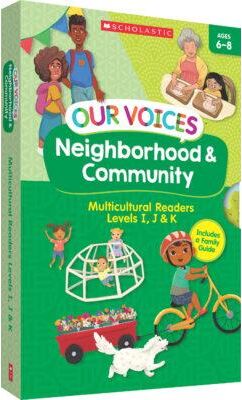
Our Voices: Neighborhood & Community Boxed SetFoster a feeling of belonging while building key reading skills with these colorful storybooks that spotlight a variety of neighborhoods and communities. The 10 charming stories feature characters from different cultural backgrounds who learn about...30,59 $*Shipping: 0,00 $Secure redirect to the provider
-
Uplifted Finds Predatory Engagement Wrestling Puppet Hub Predatory Engagement Wrestling Puppet HubTransform interactive play with the PredatoryEngagement Puppet, a professionalgrade interaction module engineered with manualsimulation logic. This highutility tool features a reinforced plush architecture and poseable limbs, specifically designed...85,97 $*Shipping: 0,00 $Secure redirect to the provider
-
What is meant by deontological and teleological?
Deontological ethics is an ethical theory that focuses on the inherent rightness or wrongness of actions themselves, rather than the consequences of those actions. It emphasizes the importance of following moral rules and duties, regardless of the outcomes. On the other hand, teleological ethics, also known as consequentialism, is an ethical theory that evaluates the morality of actions based on their outcomes or consequences. It emphasizes the idea that the rightness or wrongness of an action is determined by the overall good or bad results it produces. In summary, deontological ethics focuses on the inherent nature of actions, while teleological ethics focuses on the outcomes of actions. **
-
Is teleological ethics the same as teleology?
Teleological ethics and teleology are related concepts, but they are not the same. Teleological ethics is a moral theory that emphasizes the consequences or outcomes of actions as the basis for determining their ethical value. Teleology, on the other hand, is a broader philosophical concept that refers to the study of purpose or goals in nature and human existence. While teleological ethics is a specific application of teleology to moral decision-making, teleology encompasses a wider range of philosophical inquiries into purpose and design in the natural world. **
-
Does discourse ethics have a teleological or deontological approach?
Discourse ethics is primarily associated with a deontological approach. It focuses on the principles of communication and interaction between individuals, emphasizing the importance of ethical norms and rules in guiding discourse. The goal is to ensure that communication is based on mutual respect, equality, and rationality, rather than aiming towards a specific outcome or goal. By prioritizing the ethical principles of communication, discourse ethics aims to create a fair and just dialogue among participants. **
-
What is the teleological argument for the existence of God?
The teleological argument, also known as the argument from design, posits that the complexity and order in the universe suggest the existence of a designer, which is often equated with God. This argument points to the intricate design and purposeful arrangement of elements in the natural world, such as the human eye or the fine-tuning of physical constants, as evidence of an intelligent creator. Proponents of the teleological argument argue that the presence of design implies a designer, leading to the conclusion that God must exist as the ultimate designer of the universe. **
Similar search terms for Teleological
-
GlowBake Advanced Skin Tester, Face Skin Moisture & Oil Content Analyzer Advanced Skin Tester, Face Skin Moisture & Oil Content AnalyzerDiscover your skins true condition with our advanced Skin Tester a compact yet powerful face skin analyzer designed to measure moisture, oil content, skin water, cheek elastic quality, and even estimate skin age in seconds. Ideal for home use or pro...27,97 $*Shipping: 0,00 $Secure redirect to the provider
-
Can someone explain Aristotle's teleological view of the world to me?
Aristotle's teleological view of the world is based on the idea that everything in the natural world has a purpose or goal. According to Aristotle, all things in nature strive towards their own perfection or fulfillment. This means that each object or organism has a specific function or purpose that it is naturally inclined to fulfill. For example, the purpose of an acorn is to grow into an oak tree. This teleological perspective suggests that there is an inherent order and purpose in the natural world, and that everything has a specific role to play in the overall functioning of the universe. **
-
Does the teleological cosmic Kalam argument rely on a fatal fallacy?
The teleological cosmic Kalam argument does not rely on a fatal fallacy. The argument, which posits that the universe has a cause and that cause must be God, is based on the idea that the universe had a beginning and therefore requires a cause. While there may be objections and counterarguments to the Kalam argument, it does not contain a fatal fallacy. It is a philosophical and theological argument that has been debated and discussed for centuries, and while it may not be universally accepted, it is a valid and coherent argument within the realm of philosophical and theological discourse. **
-
What are the arguments against the teleological argument for the existence of God?
The teleological argument, also known as the argument from design, posits that the complexity and order in the universe point to the existence of an intelligent designer, namely God. However, there are several counterarguments to this claim. One argument is that the apparent design in the universe can be explained by natural processes such as evolution, without the need for a supernatural designer. Additionally, the presence of imperfections and instances of apparent "bad design" in the natural world, such as the existence of diseases and natural disasters, is seen as evidence against the idea of a perfect and benevolent designer. Furthermore, the teleological argument is criticized for relying on analogical reasoning, which may not be a sound basis for establishing the existence of a divine creator. **
-
Can someone explain to me how John Hospers criticizes the teleological argument for the existence of God?
John Hospers criticizes the teleological argument by pointing out that it relies on the assumption that the complexity and order in the universe must have been designed by a higher intelligence, which he argues is a flawed premise. He suggests that just because something appears to be designed, it does not necessarily mean that it was created by a conscious being. Hospers also questions the logic of inferring the existence of a single, all-powerful God from the apparent design in the universe, as there could be multiple creators or other explanations for the order we observe. **
* All prices are inclusive of VAT and, if applicable, plus shipping costs. The offer information is based on the details provided by the respective shop and is updated through automated processes. Real-time updates do not occur, so deviations can occur in individual cases. ** Note: Parts of this content were created by AI.