Buy socialmediaguru.eu ?
We are moving the project
socialmediaguru.eu .
Are you interested in purchasing the domain
socialmediaguru.eu ?
domain@kv-gmbh.de · 0541-91531010
Buy socialmediaguru.eu ?
What distinguishes conditional probability from independent probability?
Conditional probability is the probability of an event occurring given that another event has already occurred. It takes into account the information about the occurrence of one event when calculating the probability of another event. Independent probability, on the other hand, is the probability of one event occurring without any influence from the occurrence of another event. In other words, conditional probability is influenced by the occurrence of a specific event, while independent probability is not influenced by any other event. **
What is a probability space in probability theory?
A probability space in probability theory consists of three components: a sample space, an event space, and a probability measure. The sample space is the set of all possible outcomes of an experiment, the event space is a collection of subsets of the sample space representing different events, and the probability measure assigns a probability to each event in the event space. Together, these components define the mathematical framework for analyzing the likelihood of different outcomes in a probabilistic setting. **

Similar search terms for Probability
Top-Angebote
Products related to Probability:
-
Uplifted Finds Predatory Engagement Wrestling Puppet Hub Predatory Engagement Wrestling Puppet HubTransform interactive play with the PredatoryEngagement Puppet, a professionalgrade interaction module engineered with manualsimulation logic. This highutility tool features a reinforced plush architecture and poseable limbs, specifically designed...85,97 $*Shipping: 0,00 $Secure redirect to the provider
-
Montblanc Presence EDT M 50 mlMontblanc Presence, 50 ml, Eaux de Toilette for Men, Montblanc Presence Eau de Toilette for men is a new addiction you’ll simply refuse to give up. From the first sniff, it will assert itself as the new and completely indispensable part of your everyday routine. oriental fragrance spicy fragrance will delight any modern gentleman suitable for everyday wear26,50 £*Shipping: 3,99 £Secure redirect to the provider




-
What are the rules of probability in probability theory?
In probability theory, the rules of probability govern how probabilities are calculated and combined. The rules include the addition rule, which states that the probability of either of two mutually exclusive events occurring is the sum of their individual probabilities. The multiplication rule is used to calculate the probability of two independent events both occurring. Additionally, the complement rule states that the probability of an event not occurring is 1 minus the probability of the event occurring. These rules are fundamental in determining the likelihood of different outcomes in various situations. **
-
What is the probability in percent in probability theory?
In probability theory, the probability of an event is a measure of the likelihood that the event will occur. It is usually expressed as a number between 0 and 1, or as a percentage between 0% and 100%. A probability of 0% means the event is impossible, while a probability of 100% means the event is certain to occur. The probability of an event can be calculated using various methods, such as counting outcomes, using probability distributions, or applying statistical techniques. **
-
How do you correctly calculate probability in probability theory?
In probability theory, the probability of an event occurring is calculated by dividing the number of favorable outcomes by the total number of possible outcomes. This can be represented as P(A) = (Number of favorable outcomes) / (Total number of possible outcomes). It is important to ensure that all possible outcomes are accounted for and that the favorable outcomes are correctly identified. Additionally, the probability of multiple events occurring can be calculated using the multiplication rule for independent events or the addition rule for mutually exclusive events. **
-
With what probability?
With what probability? The probability of an event occurring is a measure of how likely it is to happen, expressed as a number between 0 and 1. The probability of an event that is certain to happen is 1, while the probability of an event that is impossible is 0. Probabilities between 0 and 1 indicate the likelihood of an event occurring, with higher probabilities indicating a greater likelihood. **


What is the probability of a die in probability theory?
In probability theory, the probability of a die refers to the likelihood of a specific outcome occurring when rolling a fair six-sided die. Since there are six possible outcomes (numbers 1 through 6) and each outcome has an equal chance of occurring, the probability of rolling any specific number is 1/6 or approximately 16.67%. This means that when rolling a fair die, the probability of rolling any particular number is 1 out of 6. **
What is the expected value and probability in probability theory?
In probability theory, the expected value is a measure of the central tendency of a random variable. It represents the average value of a random variable over a large number of trials. The expected value is calculated by multiplying each possible outcome by its probability and then summing up these products. Probability, on the other hand, is a measure of the likelihood of a particular event or outcome occurring. It represents the ratio of the number of favorable outcomes to the total number of possible outcomes. Probability theory is used to analyze and predict the likelihood of different outcomes in various situations. **
Top-Angebote
Products related to Probability:
-
Halo: Campaign Evolved – Standard Edition - XBOX Series X Physical disc – Requires content downloadOverview Return to the ring where the legend began with Halo: Campaign Evolved – Standard Edition for Xbox Series X , a ground-up modern remake of the original Halo: Combat Evolved campaign from Halo Studios and Xbox Game Studios. The classic Master Chief adventure has been rebuilt with high-definition visuals, redesigned cinematics, refined gameplay, completely reworked audio and substantial new content while preserving the story that launched the Halo franchise. Step back into the armour of Master Chief John-117 alongside AI companion Cortana as humanity encounters the Covenant and uncovers the devastating secrets hidden within the mysterious Halo installation. Returning players can experience familiar missions reimagined for modern hardware, while newcomers get a contemporary entry point into one of gaming's most influential science-fiction shooters. Campaign Evolved goes considerably beyond a visual remake. Halo Studios has added nine additional iconic weapons from across the Halo series , expanded vehicle interactions, enemy-vehicle hijacking and — for the first time in Halo: CE — the ability to pilot a fully controllable Covenant Wraith tank . The package also introduces Operation: METEORITE , an entirely new three-mission combat operation starring Master Chief alongside Sergeant Avery Johnson , featuring fresh environments, enemies and gameplay encounters not present in the original campaign. Play alone, team up in 2-player local split-screen , or bring together as many as four players online . Cross-platform co-op and shared progression expand the experience across supported Xbox, PC and PlayStation platforms. Xbox Series X features include 4K Ultra HD, HDR10, Variable Refresh Rate, ray tracing, 60fps+ support, Dolby Atmos, DTS:X and Spatial Sound , giving Alpha Halo a significantly more modern presentation than its 2001 predecessor. The UK physical Standard Edition has EAN 0196388813353 and is supplied as an Xbox Series X game disc . Importantly, the retail packaging states “Requires Content Download” , so a broadband internet connection and sufficient console storage are required during installation. Key Features & Benefits Experience the Original Halo Campaign Rebuilt from the Ground Up – Halo Studios has recreated the Combat Evolved campaign with modern visuals, updated cinematics, refined level design and contemporary gameplay improvements while retaining the story and atmosphere that44,98 £*Shipping: 0,00 £Secure redirect to the provider
-
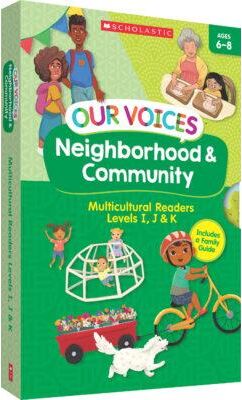
Our Voices: Neighborhood & Community Boxed SetFoster a feeling of belonging while building key reading skills with these colorful storybooks that spotlight a variety of neighborhoods and communities. The 10 charming stories feature characters from different cultural backgrounds who learn about...30,59 $*Shipping: 0,00 $Secure redirect to the provider
-
What distinguishes conditional probability from independent probability?
Conditional probability is the probability of an event occurring given that another event has already occurred. It takes into account the information about the occurrence of one event when calculating the probability of another event. Independent probability, on the other hand, is the probability of one event occurring without any influence from the occurrence of another event. In other words, conditional probability is influenced by the occurrence of a specific event, while independent probability is not influenced by any other event. **
-
What is a probability space in probability theory?
A probability space in probability theory consists of three components: a sample space, an event space, and a probability measure. The sample space is the set of all possible outcomes of an experiment, the event space is a collection of subsets of the sample space representing different events, and the probability measure assigns a probability to each event in the event space. Together, these components define the mathematical framework for analyzing the likelihood of different outcomes in a probabilistic setting. **
-
What are the rules of probability in probability theory?
In probability theory, the rules of probability govern how probabilities are calculated and combined. The rules include the addition rule, which states that the probability of either of two mutually exclusive events occurring is the sum of their individual probabilities. The multiplication rule is used to calculate the probability of two independent events both occurring. Additionally, the complement rule states that the probability of an event not occurring is 1 minus the probability of the event occurring. These rules are fundamental in determining the likelihood of different outcomes in various situations. **
-
What is the probability in percent in probability theory?
In probability theory, the probability of an event is a measure of the likelihood that the event will occur. It is usually expressed as a number between 0 and 1, or as a percentage between 0% and 100%. A probability of 0% means the event is impossible, while a probability of 100% means the event is certain to occur. The probability of an event can be calculated using various methods, such as counting outcomes, using probability distributions, or applying statistical techniques. **
Similar search terms for Probability
-
Uplifted Finds Predatory Engagement Wrestling Puppet Hub Predatory Engagement Wrestling Puppet HubTransform interactive play with the PredatoryEngagement Puppet, a professionalgrade interaction module engineered with manualsimulation logic. This highutility tool features a reinforced plush architecture and poseable limbs, specifically designed...85,97 $*Shipping: 0,00 $Secure redirect to the provider
-
Montblanc Presence EDT M 50 mlMontblanc Presence, 50 ml, Eaux de Toilette for Men, Montblanc Presence Eau de Toilette for men is a new addiction you’ll simply refuse to give up. From the first sniff, it will assert itself as the new and completely indispensable part of your everyday routine. oriental fragrance spicy fragrance will delight any modern gentleman suitable for everyday wear26,50 £*Shipping: 3,99 £Secure redirect to the provider
-
Huddly Canvas Whiteboard Content Camera KitHuddly Canvas whiteboard content camera kit for meeting rooms. The camera mounts above a whiteboard and captures its contents so they can be shared clearly with remote participants in video calls.1003,49 £*Shipping: 0,00 £Secure redirect to the provider
-
How do you correctly calculate probability in probability theory?
In probability theory, the probability of an event occurring is calculated by dividing the number of favorable outcomes by the total number of possible outcomes. This can be represented as P(A) = (Number of favorable outcomes) / (Total number of possible outcomes). It is important to ensure that all possible outcomes are accounted for and that the favorable outcomes are correctly identified. Additionally, the probability of multiple events occurring can be calculated using the multiplication rule for independent events or the addition rule for mutually exclusive events. **
-
With what probability?
With what probability? The probability of an event occurring is a measure of how likely it is to happen, expressed as a number between 0 and 1. The probability of an event that is certain to happen is 1, while the probability of an event that is impossible is 0. Probabilities between 0 and 1 indicate the likelihood of an event occurring, with higher probabilities indicating a greater likelihood. **
-
What is the probability of a die in probability theory?
In probability theory, the probability of a die refers to the likelihood of a specific outcome occurring when rolling a fair six-sided die. Since there are six possible outcomes (numbers 1 through 6) and each outcome has an equal chance of occurring, the probability of rolling any specific number is 1/6 or approximately 16.67%. This means that when rolling a fair die, the probability of rolling any particular number is 1 out of 6. **
-
What is the expected value and probability in probability theory?
In probability theory, the expected value is a measure of the central tendency of a random variable. It represents the average value of a random variable over a large number of trials. The expected value is calculated by multiplying each possible outcome by its probability and then summing up these products. Probability, on the other hand, is a measure of the likelihood of a particular event or outcome occurring. It represents the ratio of the number of favorable outcomes to the total number of possible outcomes. Probability theory is used to analyze and predict the likelihood of different outcomes in various situations. **
* All prices are inclusive of VAT and, if applicable, plus shipping costs. The offer information is based on the details provided by the respective shop and is updated through automated processes. Real-time updates do not occur, so deviations can occur in individual cases. ** Note: Parts of this content were created by AI.